
- GST: 27AETFS0655Q1Z1
- sales@streamlinepowersolutions.com
- +91 9112072395
Common APFC Panel Faults & Diagnosis Guide 2026
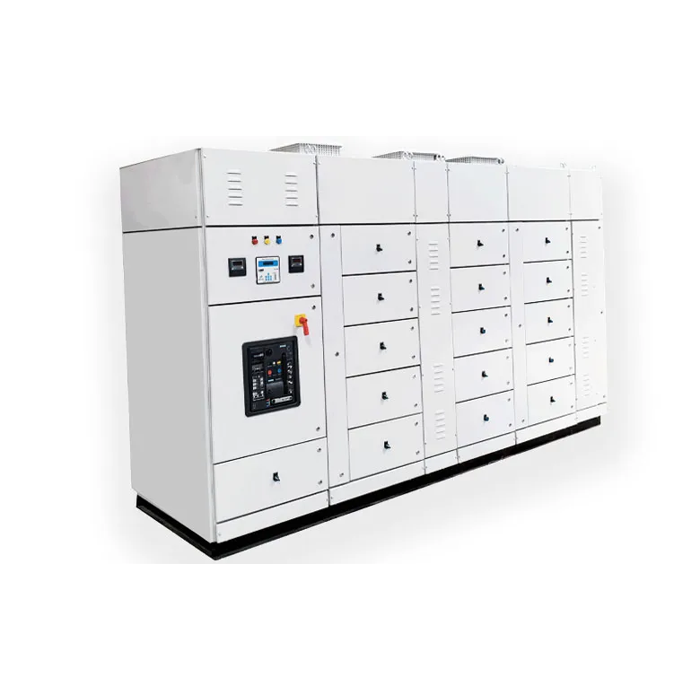


In modern industrial and commercial electrical systems, maintaining a stable power factor is critical for efficiency and cost savings. An Automatic Power Factor Correction (APFC) panel plays a key role in reducing electricity penalties, improving voltage stability, and optimizing overall power consumption. However, like any electrical control system, APFC panels are prone to faults that can affect performance if not identified early.
Understanding the common APFC panel faults and how to diagnose them can help industries prevent downtime, reduce energy losses, and extend equipment life. This guide breaks down the most frequent issues and practical ways to troubleshoot them effectively.
1. Capacitor Bank Failure
One of the most common issues in APFC panels is capacitor degradation or failure. Capacitors may lose capacitance over time due to overheating, overvoltage, or aging.
Symptoms:
- Poor power factor improvement despite switching stages
- Bulging or leaking capacitors
- Frequent tripping of capacitor banks
Diagnosis:
Use a capacitance meter or clamp tester to check each stage. Compare readings with rated values. Visual inspection also helps detect physical damage.
Capacitor switching contactors are responsible for connecting and disconnecting capacitor banks. Over time, they may weld due to heavy inrush currents or wear out.
Symptoms:
- Capacitor stages remain permanently ON or OFF
- Abnormal heating in the panel
- Sudden spikes in current draw
Diagnosis:
Manually inspect contactors for pitting or welding. Use continuity testing and observe switching response during automatic operation.
The APFC relay or controller is the brain of the system. It monitors power factor and switches capacitor banks accordingly.
Symptoms:
- Incorrect switching of capacitor stages
- No response to load changes
- Display errors or blank screen
Diagnosis:
Check input voltage and current signals to the relay. Reset configuration settings and verify CT (current transformer) connections for correctness.
CTs provide input data for load measurement. If installed incorrectly or damaged, the APFC panel cannot function accurately.
Symptoms:
- Erratic switching of capacitor stages
- Incorrect power factor readings
- No compensation despite load changes
Diagnosis:
Verify CT polarity (P1/P2 direction) and secondary connections. Test CT output using a clamp meter and ensure correct placement on the main incomer.
Non-linear loads such as VFDs, UPS systems, and LED lighting can introduce harmonics, affecting APFC performance.
Symptoms:
- Capacitor overheating
- Frequent fuse blowing
- Reduced lifespan of components
Diagnosis:
Use a power quality analyzer to measure Total Harmonic Distortion (THD). If THD is high, consider installing harmonic filters or detuned reactors.
Poor tightening of terminals or aging wiring can lead to overheating and energy losses.
Symptoms:
- Burning smell from panel
- Discoloration of cables or terminals
- Intermittent operation
Diagnosis:
Perform thermal scanning or infrared inspection. Tighten all terminal connections and replace damaged wiring immediately.
Preventive Maintenance Tips
Regular maintenance is essential to avoid APFC panel failures:
- Schedule periodic capacitor health checks
- Clean panels to prevent dust accumulation
- Tighten electrical connections quarterly
- Monitor power factor trends regularly
- Conduct thermal imaging inspections annually
Preventive care not only reduces breakdowns but also improves energy efficiency and extends equipment lifespan.
To minimize faults and maximize energy savings, industries should invest in quality APFC systems designed for their load requirements. Partnering with trusted APFC Panel Manufacturers in Pune helps ensure efficient power factor correction and long-term system reliability.
Conclusion
APFC panels are essential for maintaining energy efficiency in industrial and commercial setups, but they require proper monitoring and maintenance to function effectively. Identifying faults like capacitor failure, CT errors, contactor issues, and harmonic distortion early can save significant operational costs and prevent system downtime.
If you are experiencing recurring APFC panel issues or want to upgrade your power factor correction system, professional support can make a major difference.
For expert solutions, diagnostics, and high-performance electrical panels, visit Streamline Power and explore advanced APFC panel services designed for industrial reliability and efficiency.
FAQ’s
Common APFC panel faults include capacitor bank failure, contactor issues, CT wiring errors, APFC relay malfunction, harmonic distortion, and loose electrical connections.
APFC panel issues are diagnosed using tools like clamp meters, power quality analyzers, and thermal imaging. Checking CT polarity, relay settings, and capacitor health is also essential.
Frequent capacitor failure is usually caused by overvoltage, high harmonic distortion, overheating, aging components, or continuous overloading beyond rated capacity.
APFC panels should be inspected every 3–6 months and undergo preventive maintenance at least once a year to ensure reliable performance and avoid unexpected breakdowns.
