- GST: 27AETFS0655Q1Z1
- sales@streamlinepowersolutions.com
- +91 9112072395
How APFC Panels Reduce Electricity Bills and Power Factor Penalties in 2026
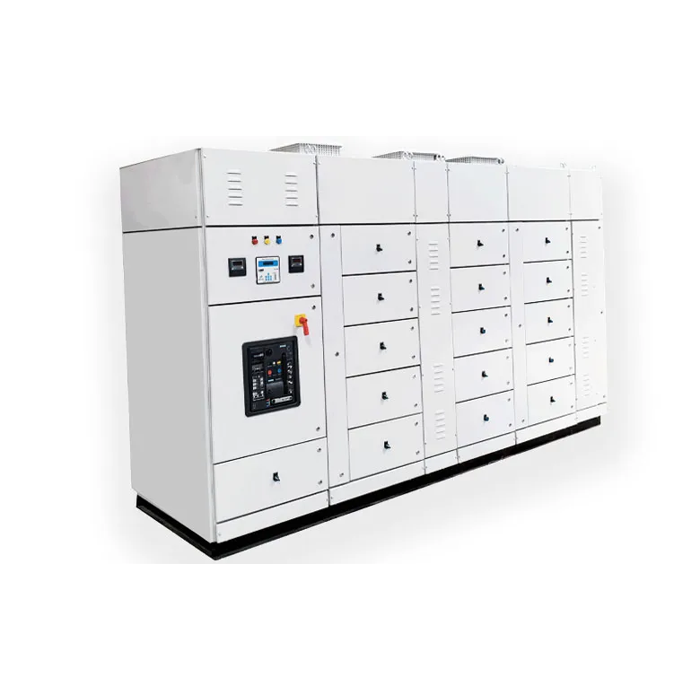


Electricity costs are one of the biggest operational expenses for industries, commercial buildings, and large facilities. Many businesses unknowingly pay extra charges every month due to poor power factor and inefficient power usage. This is where an Automatic Power Factor Correction (APFC) Panel becomes a game-changer. APFC panels not only improve electrical efficiency but also significantly reduce electricity bills and eliminate costly power factor penalties imposed by electricity boards.
What is an APFC Panel?
An APFC panel is an intelligent electrical system designed to automatically maintain an optimal power factor in an electrical installation. In simple terms, it ensures that your facility uses electricity efficiently by balancing active and reactive power. When machines like motors, compressors, HVAC systems, and industrial equipment operate, they create inductive loads that lower the power factor. This leads to wasted energy and higher billing costs.
The APFC panel continuously monitors the power factor and switches capacitor banks ON or OFF as needed to keep it close to unity (0.95–0.99). This automatic adjustment ensures maximum efficiency without manual intervention.
How APFC Panels Reduce Electricity Bills
One of the biggest advantages of APFC panels is their direct impact on electricity cost savings. Here’s how they help:
- 1. Reduction in Reactive Power Consumption: Inductive loads draw unnecessary reactive power, which does not perform any useful work but still increases the load on the electrical system. APFC panels supply the required reactive power locally using capacitor banks, reducing the burden on the grid and lowering total power consumption.
- 2. Improved Power Factor = Lower Charges: Electricity boards often impose penalties when the power factor drops below a specified limit (commonly 0.90–0.95). A poor power factor means you are using more apparent power (kVA) than actual useful power (kW). APFC panels maintain an optimal power factor, helping businesses avoid these penalties completely.
- 3. Reduced Maximum Demand Charges: A better power factor reduces the overall current drawn from the supply system. This helps in lowering maximum demand charges, which form a significant part of industrial electricity bills.
- 4. Lower Energy Losses in System: When power factor improves, current flow reduces, leading to lower I²R losses in cables, transformers, and distribution systems. This directly translates into lower energy wastage and improved efficiency across the entire electrical network.
Avoiding Power Factor Penalties
Most electricity distribution companies enforce penalties for low power factor because it affects grid stability. If your system operates below the required limit, you may face additional surcharges every billing cycle.
An APFC panel ensures:
- Continuous monitoring of power factor
- Automatic capacitor switching
- Stable operation under fluctuating loads
- Compliance with utility regulations
This eliminates the risk of penalties and ensures your business runs smoothly without unexpected billing shocks.
Additional Benefits of APFC Panels
Apart from cost savings, APFC panels offer several long-term operational advantages:
- Improved Equipment Life: Reduced electrical stress leads to less overheating and longer machine life
- Better Voltage Stability: Helps maintain consistent voltage levels across the system
- Increased System Capacity: Frees up transformer and cable capacity for additional load
- Reduced Maintenance Costs: More stable electrical performance reduces breakdowns
Why Businesses Are Switching to APFC Panels
Industries today are under constant pressure to reduce operational costs and improve efficiency. Whether it is manufacturing units, commercial complexes, hospitals, or IT parks, APFC panels have become an essential part of modern electrical infrastructure.
By investing in an APFC panel, businesses can typically achieve:
- 10% to 30% reduction in electricity costs
- Zero power factor penalties
- Faster return on investment (ROI within months to a few years)
To achieve maximum savings and long-term electrical efficiency, businesses should invest in high-quality APFC systems designed for their load requirements. Working with experienced APFC Panel Manufacturers in Pune ensures reliable performance, reduced power factor penalties, and improved energy management.
Conclusion
An APFC panel is not just an electrical accessory—it is a cost-saving and efficiency-boosting solution for any power-intensive facility. By maintaining an optimal power factor, it reduces electricity bills, eliminates penalty charges, and improves overall system performance.
If your business is struggling with high electricity bills or recurring power factor penalties, installing an APFC panel is one of the smartest and most cost-effective decisions you can make.
FAQ’s
An APFC (Automatic Power Factor Correction) panel is an electrical device that automatically maintains an optimal power factor by switching capacitor banks ON or OFF based on load conditions. It helps improve energy efficiency in industrial and commercial electrical systems.
APFC panels reduce electricity bills by improving the power factor and minimizing reactive power consumption. This reduces the total current drawn from the supply system, lowers energy losses, and improves overall electrical efficiency, resulting in cost savings.
A power factor penalty is an extra charge imposed by electricity boards when the power factor falls below a specified limit (usually 0.90–0.95). It increases electricity costs for industries using heavy electrical loads without power correction systems.
Yes, APFC panels help maintain a high power factor (typically 0.95 to 0.99), ensuring compliance with utility standards and eliminating power factor penalty charges from electricity bills.
APFC panels are commonly used in industries, manufacturing units, commercial complexes, hospitals, IT parks, malls, and any facility that operates heavy inductive loads like motors, HVAC systems, and compressors.
